
Landscape Supplies: Frequently Asked Questions
Choosing outdoor materials can be confusing. You want your yard to look good and last, but not every supplier offers the same quality. We wrote this guide to answer the frequently asked questions (FAQs) our team often hears about landscaping supplies. If you want to learn more about what to look for when selecting quality landscaping materials, read our full guide here.
What Makes Landscape Supplies Reliable?
To be reliable, landscaping supplies need to stand up to:
- The climate: In Ontario, that means a freeze/thaw cycle and extreme temperature swings.
- Heavy use: driveways, pathways, decks, and other high-traffic areas can experience heavy traffic year-round.
- Moisture: One thing you can guarantee is that your outdoors will be exposed to a lot of moisture, whether that’s rain or snow. Materials that resist moisture are always preferable.
- UV exposure: The sun can cause materials to degrade over time. This is especially important for wooden hardscape structures that are exposed to more sun, such as decks.
- Pests: There will always be pests. Can your hardscaping withstand their presence?
Reliable materials will stand up to all of these challenges season over season, year after year.
How Can You Tell If Materials Are Suitable for Long-Term Use?
In general, materials that are suitable for long-term use have similar properties:
- They are dense, which makes them strong and able to withstand force
- They are non-permeable (water can’t get in)
- If they are made out of wood, they are hardwood or a modern composite material that has been treated to reduce moisture and UV damage
- They meet minimum industry standards according to the Concrete, Masonry and Hardscapes Association.
Common examples of quality hardscaping materials include concrete and natural stone. These hold up under heavy use and resist cracking. Ask your supplier to suggest materials based on how they will be used. Ultimately, the material’s reliability will depend on its intended use.
What Is Hardscaping vs. Softscaping?
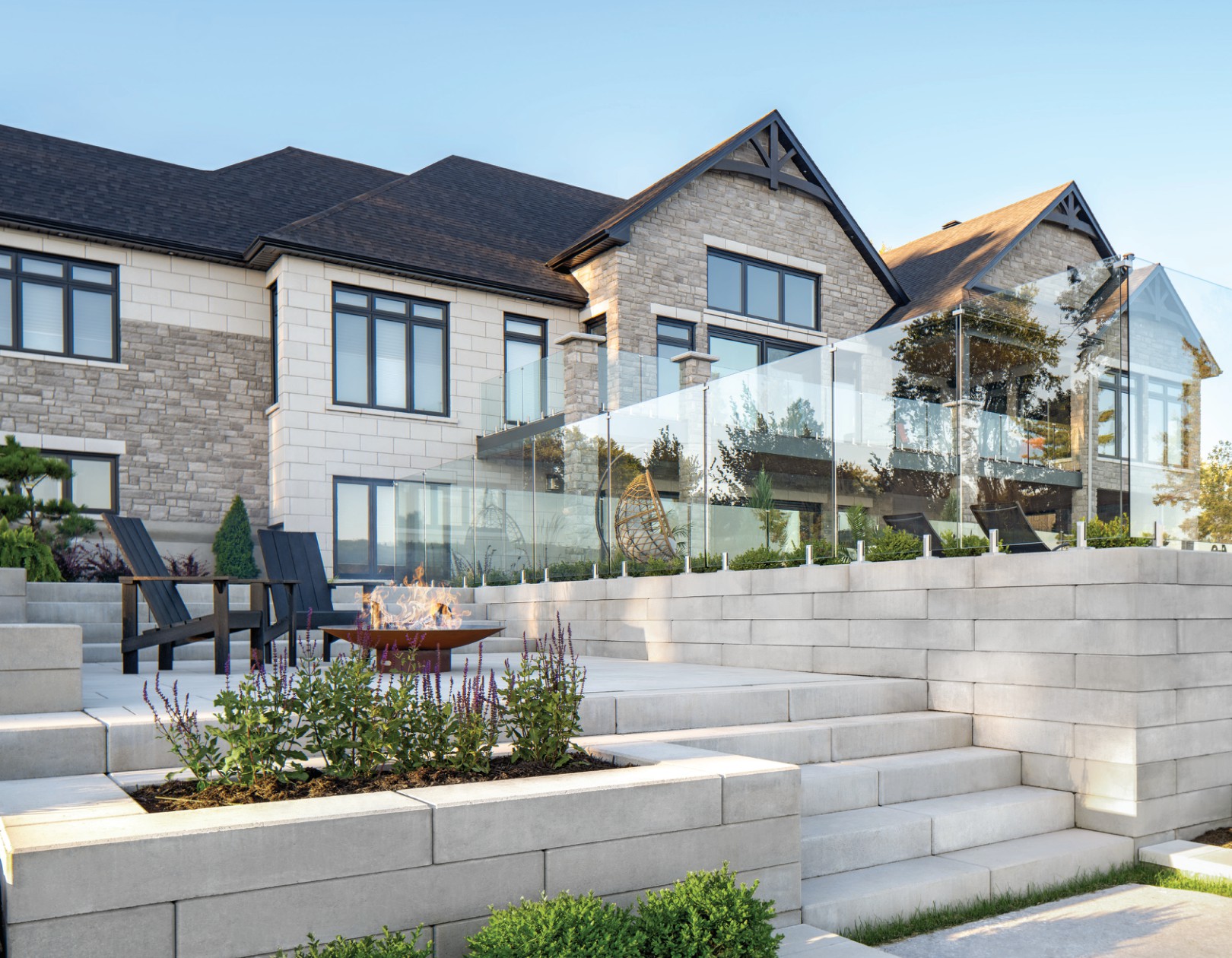
Landscaping is split into two main categories:
- Hardscaping: all the hard, non-living parts of your landscaping
- Softscaping: all the living plant material and organic matter
Hardscape generally includes features such as:
- Driveways and pathways
- Retaining walls/garden bed walls
- Decking
- Outdoor living spaces, such as outdoor kitchens
- Fire pits
- Water features
Softscape generally covers:
- Garden beds
- Seasonal planters
- Turf
- Soil and mulch
Successful landscape design creates a harmonious blend of hardscape and softscape across the property.
How Do Seasonal Conditions Affect Landscape Material Choices?
In climates with cold winters and hot summers, such as Southern Ontario, landscape materials take a beating. In general, materials that work well across seasons are:
Interlock pavers: These interlocking blocks work well in freeze/thaw cycles because they can shift individually, preventing cracks and reducing overall movement.
Use interlock pavers in freeze/thaw climates for:
- Driveways
- Walkways
- Patios
Composite decking: This durable, eco-conscious material is a blend of wood fibres and recycled plastic.
Use composite decking in freeze/thaw climates for:
- Decks
- Patios
- Docks
Natural stone: Popular choices include granite and flagstone for their attractiveness and durability across different climates.
Use natural stone in freeze/thaw climates for:
- Walkways
- Patios
- Retaining walls
- Fire features
- Water features
- Border edges
In areas that receive heavy rainfall or spring snowmelt, also consider granite for driveways and walkways, as well as for garden bed decoration. Granite allows water to seep into the ground during heavy rain, unlike solid concrete, which prevents water absorption and increases the risk of flooding.
How Much Material Should You Order for a Standard Project?
Accurate calculations prevent delays and waste. In general, you need to estimate the area required before ordering materials. For most landscaping projects, this means calculating the square footage or cubic yards. Alternatively, you can also use our Materials Calculator to understand how much you’ll need.
Who Are The Best Landscape Supply Companies?
The best landscape supply companies will give many signals that indicate their quality. When choosing a landscape supply company, look for:
- Product lists
- Wide selection of high-quality, high-demand materials
- Easy to locate contact information
- Clear details about delivery
- Knowledgeable staff (give them a call or visit)
- Their industry presence (do they run or attend lots of industry events?)
- Word of mouth (do they have strong testimonials?)
A wide selection, clear stock information, and knowledgeable staff are good signals of reliability. Suppliers who track their inventory and communicate lead times will make great partners. At Dibbits, we update our Dream Guide every year to showcase the products we keep well stocked at all times, helping clients plan ahead. We also run industry events throughout the year. Explore our events page to learn more.
Are There Signs That a Supplier Keeps Dependable Inventory?
Yes. A wide selection, clear stock information, and knowledgeable staff signal reliability. Suppliers who track inventory and communicate lead times can meet your needs. Dibbits’ dream guide shows what’s in stock and offers rebates on purchases, helping clients plan ahead. Partners who support education and community, rather than just taking orders, are more likely to provide reliable landscape supplies when you need them.
How Does High-Quality Material Affect Your Finished Space?
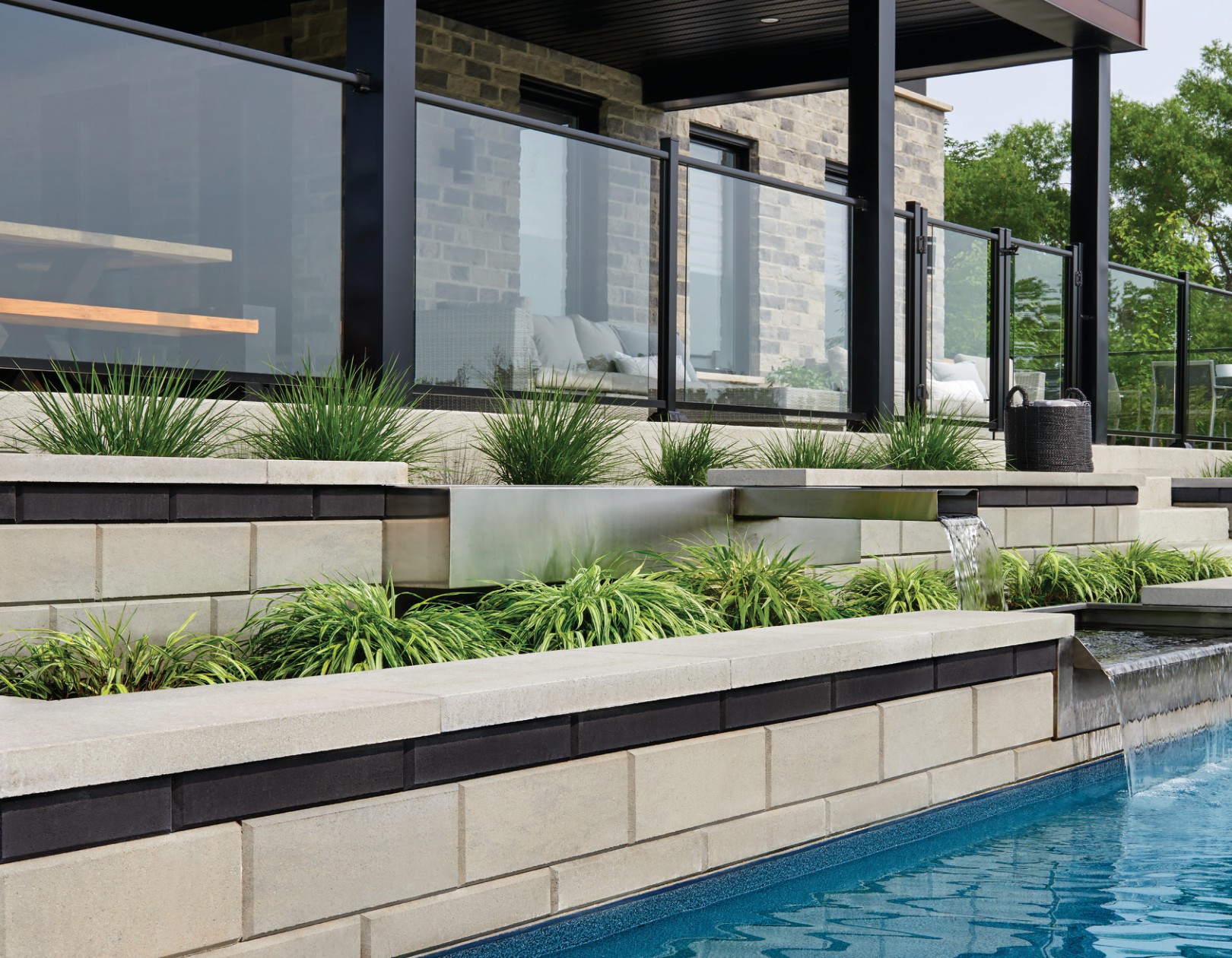
Landscaping isn’t just about making the most of your property now—done right, landscape construction represents an investment in the value of your property. Premium materials give your investment a longer life and boost curb appeal.
- Interlocking pavers give a dynamic, modern look to driveways and walkways
- Natural stone creates a unique feel
- Outdoor porcelain tile gives a refined look
- Artificial turf creates a lawn that always looks ready for visitors, and is resistant to weather, pets, and play
- Gravel and aggregates create sleek borders or driveways, and help prevent flooding by allowing water to pass through
- High-quality soil and mulch look healthier and encourage long-term plant success
When you choose durable landscape supplies, you create a space that looks better, requires less maintenance, and protects your long-term investment.
Are Some Materials Better for High-Traffic Areas?
Yes. For driveways and walkways, choose interlock pavers, flagstone, or granite. These materials handle heavy use without visibly degrading, and their textured surfaces add grip. Porcelain tiles will stand up well around pools, and can also make a great choice for walkways. Rubber mulch can be used to cushion play areas. Modern artificial turf is extremely durable, providing a great option for lawns that are used a lot for hosting, and is resistant to pets and play (making it a great option for families who like sports, too).
Gravel can be a great option for driveways, but it will need to be maintained over time. For walkways, gravel might not be the best option if your family likes to walk barefoot. Any decking that features untreated wood will degrade.
How Do I Know What Landscaping Supplies I need?
Start by thinking about how you want to use your outdoor living space. What is it you want to achieve? Do you want defined zones? Better walkways? Clear sightlines? More privacy? Better entertainment areas for hosting? Once you have a vision, it’s a case of working with your outdoors to know what’s possible and what’s needed. Factors like your yard’s size and layout, sun exposure, tree placement, and grading (the slope of your yard) will all impact decision-making.
The final consideration is visual. What do you want your outdoors to look like? Consider the architecture of your property. It can be more visually appealing to make sure your outdoor design feels like it works with your home. After considering each of these steps, speak to a professional. Professional landscaping suppliers will help you figure out exactly what materials you need to achieve your vision. Are you thinking about your next landscaping project? Contact our team of experts to discuss your vision.
What Questions Should Contractors Ask Before Placing an Order?
Contractors should feel confident to ask any questions of their supplier: A reliable supplier should have the knowledge to answer all contractor questions. But as a general guide, contractors should ask suppliers the following questions:
- Where natural stone is sourced from, and whether the stone they stock has batch numbers for consistency
- Warranties
- Delivery times and windows
- Whether batch ordering is possible and if it makes sense for your needs
- Lead times to prepare orders
- Seasonal stock and how to plan ahead
- Any guidance they have for meeting your clients’ needs
A reliable supplier should be ready and willing to answer any and all questions from contractors. They are the experts powering the experts. Are you a contractor? Explore our new platform, Hardscape House, designed to help local landscaping companies operate like national brands.
How Does Supply Planning Help You Avoid Delays?
In short construction windows, as we have in Southern Ontario, demand tends to peak sharply. Planning ahead avoids last-minute shortages. Measure accurately, calculate volumes, and place orders early. Call to confirm stock levels and delivery dates with your supplier. Consider staging deliveries for large projects. If you have storage room available, bulk buying can be a great choice. When you coordinate timing and select landscape supplies early, you prevent costly delays, minimize downtime and keep crews working steadily throughout the season.
What Factors Matter When Selecting Edging Materials?
Edging keeps soil, mulch, and pavers in place while creating visually striking borders. Choose edging based on durability, appearance, and ease of installation. While natural wood used to be a popular option for edging, stone, brick, and metal last far longer and require little to no maintenance.
For paths and patios, consider interlocking edgers for a seamless look. Permeable edging with gravel and aggregates adds a dynamic look while allowing water to drain, helping prevent pooling. For yards with steeper slopes or for a more defined look, consider raised garden beds with natural stone retaining walls. Quality edging ties your design together and prevents soil erosion, protecting your softscaping for the long term.
Why Do Some Landscaping Materials Last Longer Than Others?
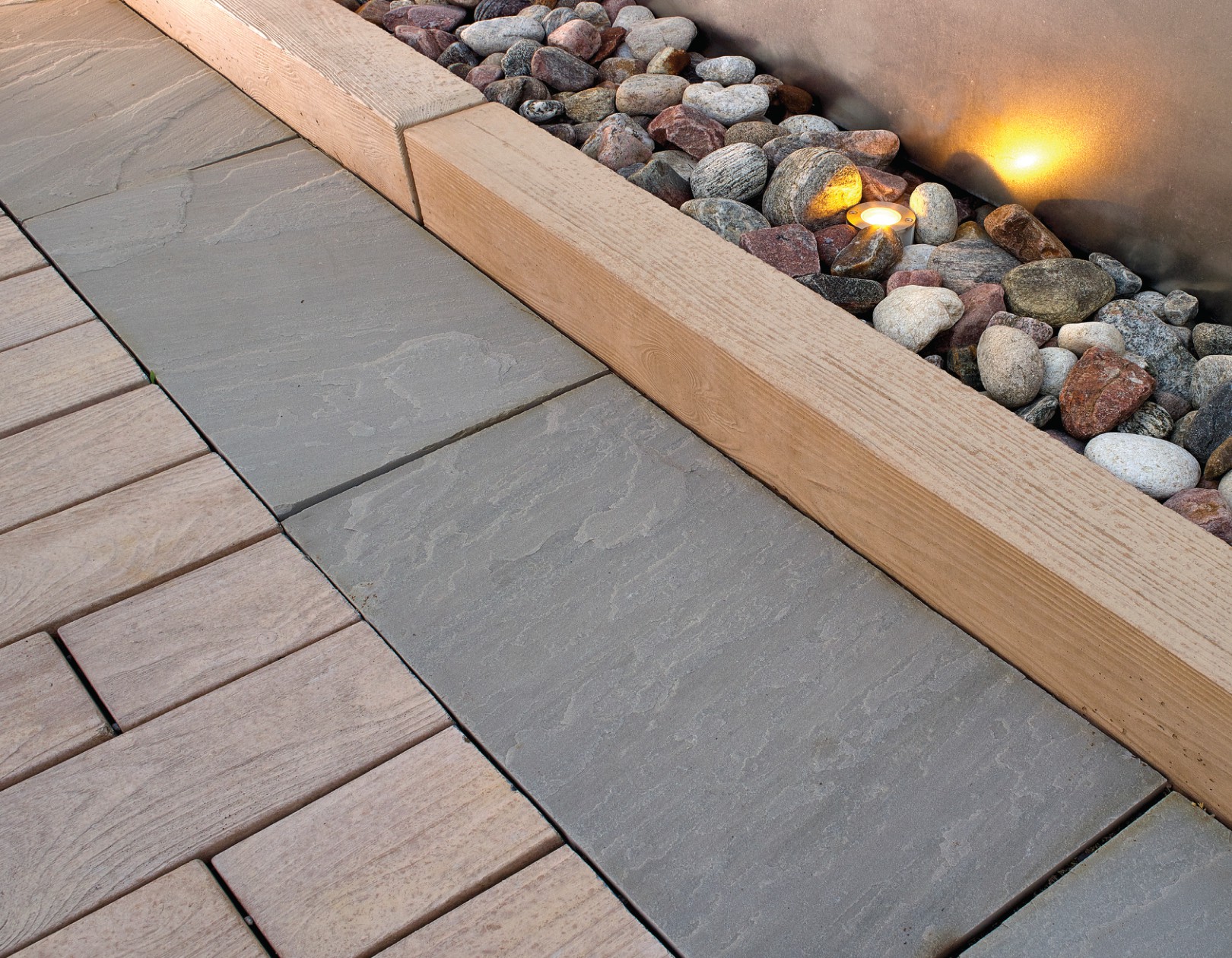
Longevity depends on composition, manufacturing, and installation. Dense natural stone and concrete pavers resist weather. Treated lumber and recycled plastic repel moisture and insects. Proper base preparation, compaction, and drainage also extend lifespan. Selecting materials made to industry standards and installing them correctly will help reliable landscape supplies endure.
How Can a Supplier Help You Stay on Track During Peak Season?
Product demand spikes during busy months, especially for hardscape projects. A reliable supplier forecasts needs, keeps contractor-grade materials in stock, and offers pre-order programs.
Is Buying in Bulk Better for Larger Projects?
Bulk buying can save money and prevent running out of materials, but requires storage space and upfront funds. For large projects, calculate total needs and compare bulk pricing. Ask your supplier about volume discounts and rebates. Store materials properly to maintain quality. Reliable landscape supplies purchased in bulk can lower costs and keep work flowing.
What Role Does Texture Play in Landscape Material Performance?
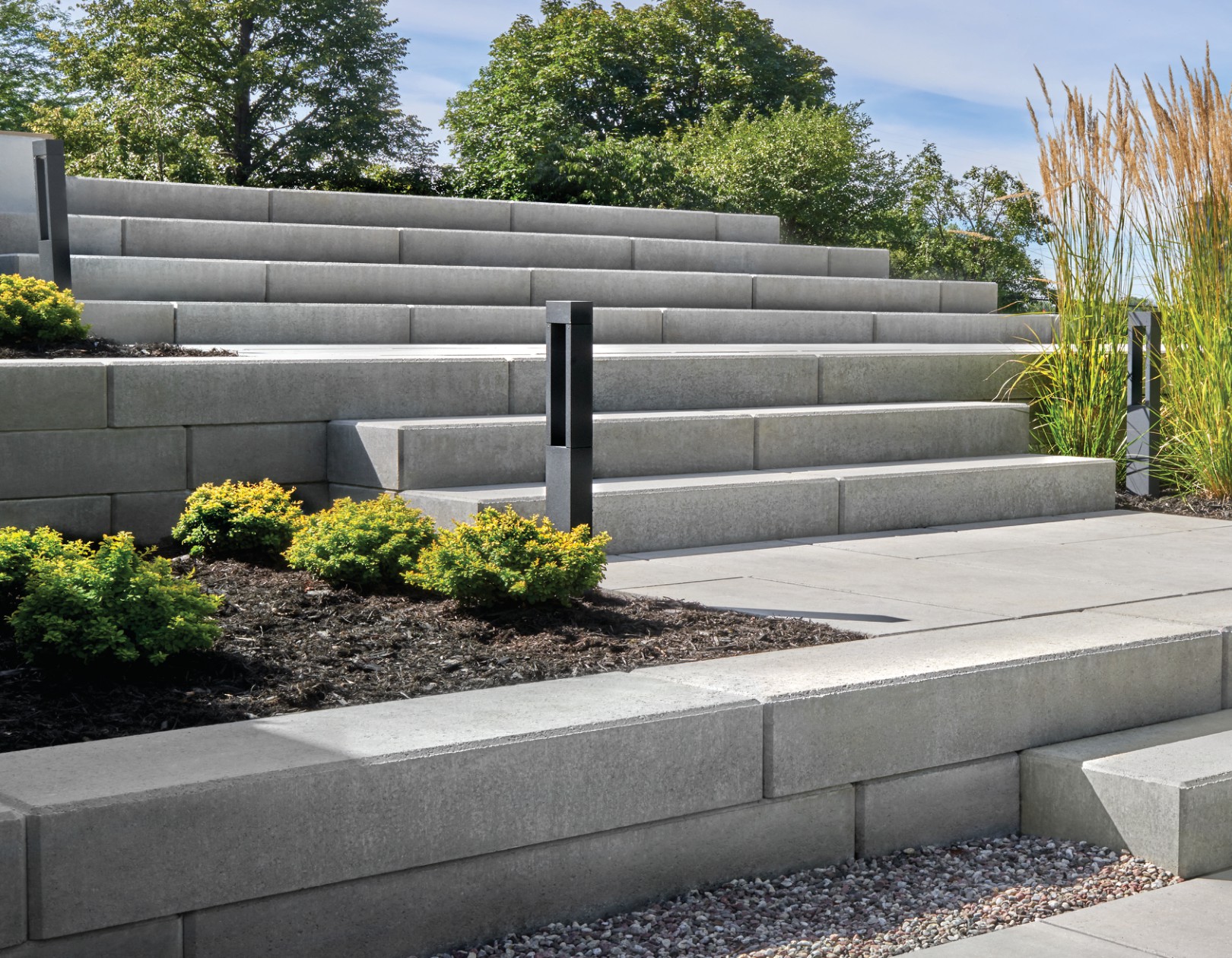
Texture impacts both safety and appearance in landscape design. Rough surfaces provide traction, while smooth surfaces are easier to clean. In hardscaping, textured pavers, stamped concrete, or natural stone add visual interest and traction for safety. Permeable interlock systems allow water to pass through. Gravel and aggregates add striking colour and can create interesting border zones. In softscaping, mulches help retain moisture, block weeds, and create a more striking look than soil alone. Considering texture when choosing landscape supplies improves function and style.
Are Eco-Friendly Materials Strong Enough for Outdoor Features?
Using quality materials is an eco-friendly choice because they last longer, requiring fewer crews to travel out to work sites to maintain them over time. Materials choice can be both sustainable and strong:
- Modern decking composites, made of wood fibres and recycled plastic, are very durable.
- Permeable interlock pavers handle heavy loads while allowing water to return to the water table (compared to poured concrete, which creates runoff). Gravel driveways are a great choice for the same reason: they are water-permeable.
- High-quality mulch keeps weeds down and breaks down over time, returning nutrients to the soil. Avoid dyed mulch if you prefer a natural look.
- Artificial turf can also be viewed as an eco-friendly option when used selectively: Modern turf is water-permeable, extremely long-lasting, and reduces the amount of energy needed to mow natural turf.
Choosing eco-friendly, permeable landscape supplies reduces environmental impact without sacrificing performance.
Can a Supplier Help You Connect with Reputable Contractors?
Yes. Many supply companies work closely with contractors and can provide referrals. Dibbits connects retail clients with trusted professionals who share our commitment to quality. When you’re new to a project, asking your supplier for recommendations ensures that your reliable landscape supplies are installed correctly by skilled hands.
How Do You Compare Different Material Options?
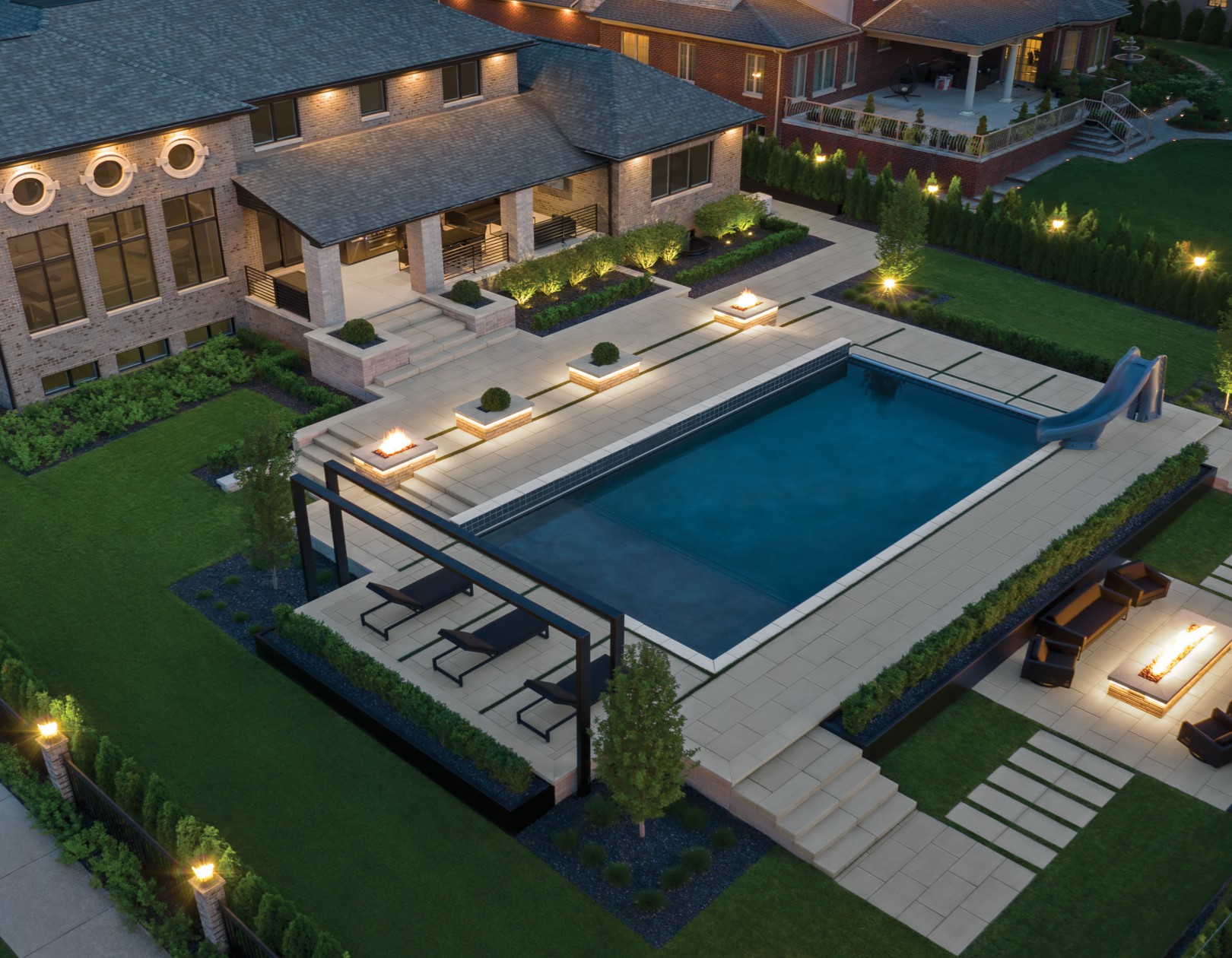
Compare materials based on durability, maintenance, cost, aesthetics, and environmental impact. Consider how the space will be used and the climate it must endure. Ask about each option’s lifespan and upkeep. If possible, visit a showroom and look at samples of hardscape materials to see colours and textures. Taking time to weigh these factors with help from a knowledgeable supplier allows you to choose landscape supplies that fit your needs and style. If you need the best hardscape materials and support for your project, visit our website and shop our products.
Summary
Choosing reliable landscape supplies involves understanding durability, seasonality, material calculations, and design balance. High-quality stone, interlock blocks, composite decking, pavers, treated lumber, and recycled products offer longevity. Planning ahead, asking the right questions, and working with suppliers who maintain dependable inventory help you avoid delays and create beautiful outdoor spaces. This FAQ answers common questions and guides you to select eco-friendly, permeable, and durable materials that fit your project and enhance your property.
